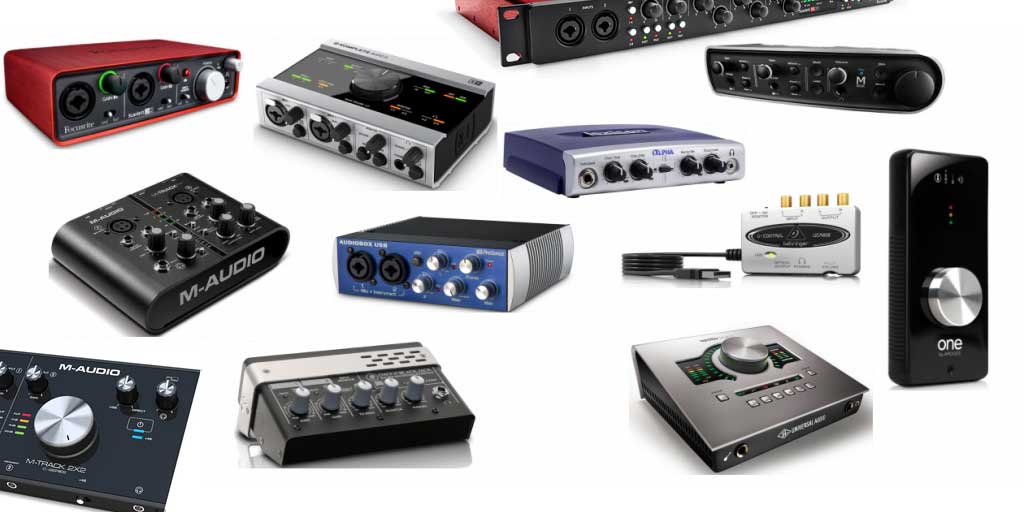
Audio interfaces are the backbone of any modern home studio. Whether you are recording vocals, guitars, podcasts, or producing full tracks with AI-assisted tools, the interface is the critical bridge between the analog and digital worlds. In 2026, choosing the right audio interface means balancing sound quality, low latency, operating system compatibility, and budget—while ensuring seamless integration with today’s AI-powered music workflows.
This guide breaks down the best audio interfaces for beginners, intermediate producers, and professionals, explains what features actually matter, and helps you choose the right interface for your studio goals.
Why Audio Interfaces Matter More Than Ever in 2026
An audio interface converts analog signals (microphones, instruments, line inputs) into digital audio your computer can process—and back again for monitoring. While this sounds simple, quality differences between interfaces can dramatically affect:
- Recording clarity
- Noise floor and headroom
- Latency during tracking
- Monitoring accuracy
- Workflow speed with AI tools
In 2026, producers increasingly rely on AI plugins for mixing, mastering, and vocal processing. These tools demand stable drivers, low latency, and clean preamps to perform at their best. A weak interface becomes a bottleneck—no matter how powerful your computer or software is.
Key Factors to Consider Before Buying an Audio Interface
Before diving into recommendations, here are the main criteria you should evaluate.
1. Inputs and Outputs
Ask yourself:
- Are you recording vocals only?
- Guitar and vocals at the same time?
- Multiple instruments or a band?
Solo creators usually need 2 inputs, while bands or producers with hardware synths may need ADAT expansion or rack units.
2. Connection Type: USB-C vs Thunderbolt
- USB-C: Universal, works on Windows and macOS, ideal for most users
- Thunderbolt: Ultra-low latency, best for Mac-based professional studios
USB-C interfaces dominate in 2026 due to compatibility and portability, while Thunderbolt remains a pro-level choice.
3. Latency and Drivers
Low latency is essential for real-time monitoring, virtual instruments, and AI processing. Reliable drivers often matter more than raw specs—especially on Windows systems.
4. Budget and Upgrade Path
Buying too cheap can limit your growth. Buying too expensive too early wastes money. The best interface is one that matches your current needs with some room to grow.
Best Beginner Audio Interfaces (Under $200)
Beginner interfaces are designed for simplicity: plug-and-play operation, bus power, and minimal setup. They’re perfect for solo producers, singer-songwriters, podcasters, and bedroom studios.
Focusrite Scarlett 2i2 (4th Gen)
The Scarlett 2i2 remains the most popular beginner interface in the world—and for good reason.
Specs & Features
- 2 inputs / 2 outputs
- Air Mode for vocal presence
- Auto-gain and clip-safe recording
- Up to 192kHz sample rate
- Rock-solid drivers
Price: ~$180 USD
This interface is ideal for vocals and guitar recording, with extremely low latency that works beautifully alongside AI mixing and mastering tools. The Scarlett series dominates the entry-level market due to reliability and long-term support.
Audient iD4 MkII
Audient brings console-grade sound to a compact interface.
Specs & Features
- 2 inputs / 2 outputs
- JFET DI for guitar
- Class-leading mic preamp
- Scroll-wheel control
Price: ~$200 USD
The iD4 MkII is favored by users who prioritize sound quality over extra features.
Behringer U-Phoria UMC22
For ultra-tight budgets, this is a functional starting point.
Specs & Features
- 2 inputs / 2 outputs
- MIDAS mic preamp
- Extremely affordable
Price: ~$50 USD
While not ideal for heavy AI workflows, it works for basic demos and learning.
Best Intermediate Audio Interfaces ($200–$1,000)
Intermediate interfaces are built for producers recording multiple sources, using MIDI gear, or demanding lower latency and better converters.
SSL 2+ MkII
Solid State Logic brings its legendary analog sound into the home studio.
Specs & Features
- 2 inputs / 4 outputs
- 4K mode for analog character
- MIDI I/O
- Dual headphone outputs
Price: ~$280 USD
Perfect for producers who want a touch of analog warmth without sacrificing modern workflow.
RME Babyface Pro FS
RME is known for the best drivers in the industry.
Specs & Features
- 4 inputs / 12 outputs
- Ultra-low latency
- TotalMix FX routing
- Extremely stable on Windows and macOS
Price: ~$900 USD
If latency, stability, and routing flexibility are priorities, this is one of the best investments you can make.
Universal Audio Volt 2
A hybrid interface blending analog flavor with modern convenience.
Specs & Features
- 2 inputs / 2 outputs
- Vintage compressor mode
- MIDI I/O
- USB-C connectivity
Price: ~$190 USD
A strong option for creators who want character without jumping to full DSP systems.
Best Professional Audio Interfaces (Over $1,000)
Professional interfaces are designed for commercial studios, bands, and advanced production environments. They often include DSP, premium preamps, and massive I/O expansion.
Universal Audio Apollo Twin X
The Apollo Twin X is a gold standard for professional desktop studios.
Specs & Features
- 2 inputs / 6 outputs
- Real-time DSP processing
- Unison preamps
- Access to UAD plugins
Price: ~$1,500 USD
This interface allows you to record through premium plugins with virtually zero latency—making it ideal for vocal production and tracking-heavy sessions.
RME Fireface UFX III
A true powerhouse for professional studios.
Specs & Features
- 94 inputs / 94 outputs
- DSP effects
- MADI and ADAT expansion
- Stand-alone recording
Price: ~$3,000 USD
Built for studios that demand scalability, redundancy, and absolute stability.
Audio Interfaces and AI Music Production
In 2026, audio interfaces are no longer isolated hardware devices—they’re part of an AI-driven ecosystem.
Low-latency drivers and clean signal paths are critical when using tools like iZotope, AI vocal chains, or real-time pitch correction. Interfaces like the Focusrite Scarlett series and RME units are especially well-suited for these workflows due to their efficient drivers.
A powerful AI plugin cannot fix a poor input signal. The better your interface, the better your AI tools perform.
Which Audio Interface Should You Choose?
Here’s a quick decision guide:
- Beginner, solo creator: Focusrite Scarlett 2i2
- Guitar-focused producer: Audient iD4 MkII
- Multi-instrument producer: SSL 2+ MkII
- Latency-sensitive workflows: RME Babyface Pro FS
- Professional vocal production: Apollo Twin X
- Large studio or band: RME Fireface UFX III
Choosing the right audio interface in 2026 is about more than specs—it’s about workflow, reliability, and future-proofing. With AI tools becoming central to music production, interfaces with low latency, stable drivers, and clean preamps are no longer optional.
The Focusrite Scarlett series continues to dominate due to its balance of affordability and performance, while professional solutions from Universal Audio and RME cater to demanding studios and creators pushing the limits.
Your interface is the foundation of your studio. Choose wisely, and every recording, mix, and AI-powered enhancement will benefit.
If you’re building a serious home studio this year, upgrading your audio interface may be the single most impactful decision you make.